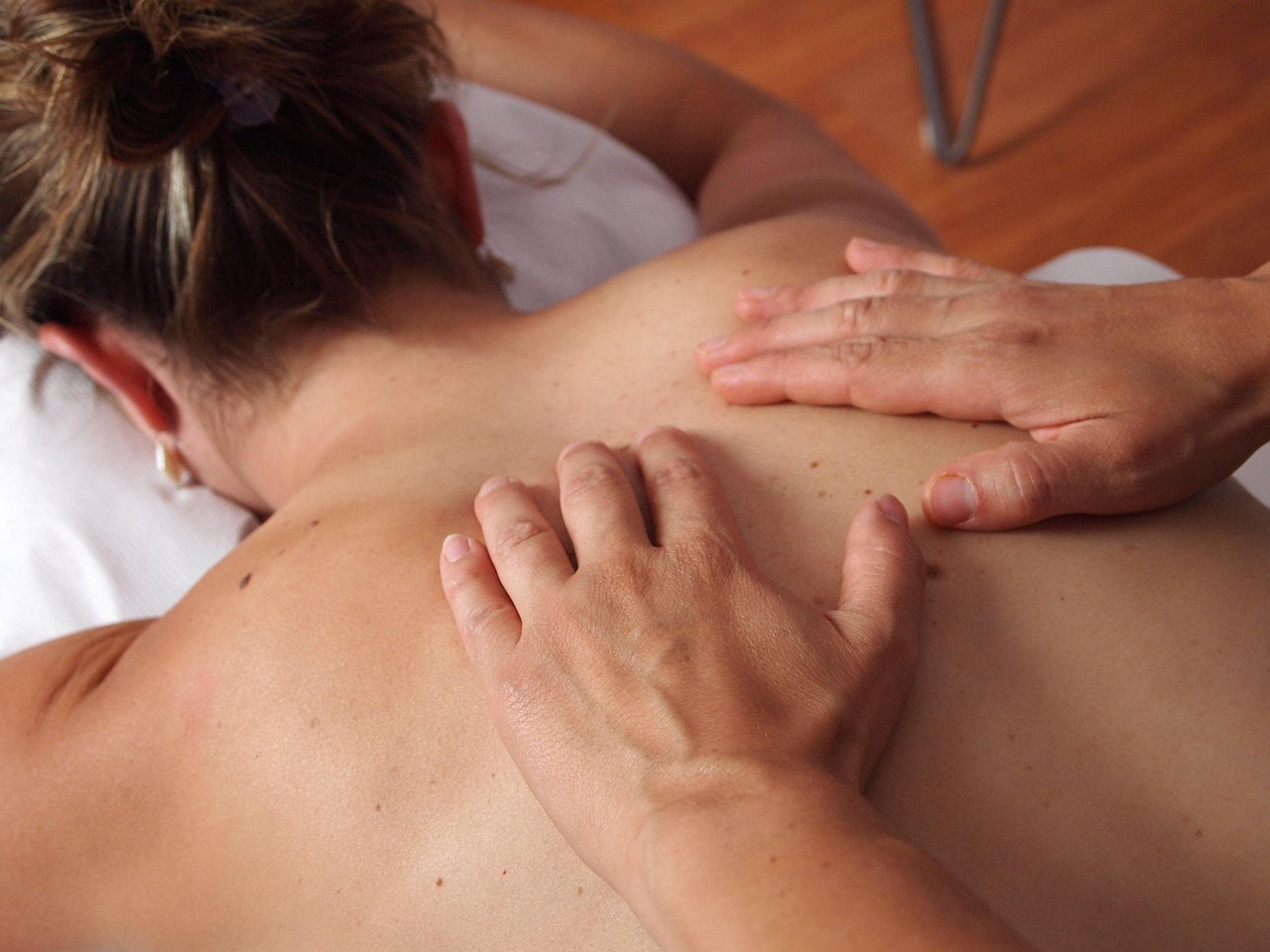
The mind-body connection is a critical aspect of overall health, yet addressing both mental health and substance abuse simultaneously remains a challenge. In Dual Diagnosis Centers Paramus New Jersey, we face a growing need for integrated care solutions. Many individuals struggle with co-occurring disorders, where mental health issues and addiction are present together. This complex issue requires an unique approach, as standard treatments may not be effective for both conditions at once.
The traditional separation of mental health and addiction services can hinder patient recovery. That's why Paramus Mental Health Centers focus on providing specialized, complete treatments that target both aspects simultaneously. By integrating evidence-based therapies, individualized care plans, and support groups, these centers offer a comprehensive solution for the growing dual diagnosis population in New Jersey.
- Understanding Dual Diagnosis: Mind-Body Integration in Healthcare
- The Role of Specialized Centers: A Case Study (Dual Diagnosis Centers Paramus New Jersey)
- Implementing Complete Strategies: Benefits and Challenges
Understanding Dual Diagnosis: Mind-Body Integration in Healthcare
The integration of mind and body in healthcare, particularly within dual diagnosis centers like those in Paramus, New Jersey, is an important aspect of treating co-occurring substance use disorders and mental health conditions. These specialized facilities understand that addiction and mental health issues often go hand in hand, and addressing both simultaneously is essential for long-term recovery. A study by the National Institute on Drug Abuse (NIDA) found that individuals with co-occurring disorders have higher rates of relapse and poorer outcomes when only one condition is treated.
The jersey offer a complete approach to care, incorporating evidence-based therapies, specialized treatment programs, and individualized care plans. Addiction and mental health professionals work collaboratively to provide comprehensive support for each patient's unique needs. This integrated care model recognizes the interconnectedness of mind and body, aiming to heal both aspects simultaneously. A patient struggling with co-occurring alcohol use disorder and depression might participate in group therapy sessions, individual counseling, and mindfulness practices, all tailored to their specific challenges.
Rehab for co-occurring alcohol and drug abuse at these centers typically involves a multi-faceted approach. Patients might engage in specialized dual diagnosis support groups, where they share experiences and learn from peers facing similar challenges. The expertise of dual diagnosis therapists matters in helping individuals understand the roots of their addictions and mental health issues, often stemming from underlying trauma or stress. By providing addiction and mental health care under one roof, these centers ensure that patients receive complete, consistent, and effective treatment, increasing their chances of successful recovery.
The Role of Specialized Centers: A Case Study (Dual Diagnosis Centers Paramus New Jersey)
Specialized dual diagnosis centers play an important role in providing integrated care for individuals facing both mental health and substance use disorders. Using a case study of The jersey, we explore how these centers offer a comprehensive approach to treating co-occurring conditions. Founded in 2015, the center has since become a beacon for individuals in need, providing a range of evidence-based therapies and specialized support groups.
Dual Diagnosis Centers Paramus NH stands out for its complete care model, integrating mental health services with addiction treatment. Unlike traditional approaches that often treat these issues separately, Paramus focuses on addressing both conditions simultaneously. A 2020 study by the New Jersey Substance Abuse Treatment Centers found that 78% of patients at Paramus reported improved mental health alongside reduced substance use after 6 months. This success rate underscores the effectiveness of their integrated care model.
The center's dual diagnosis retreat centers New Jersey offer a range of services tailored to individual needs. These include personalized care plans, individual and group therapy sessions, and specialized programs for trauma and PTSD. Their "Mindful Recovery" program combines cognitive-behavioral therapy with mindfulness practices, helping patients develop coping mechanisms for both mental health and addiction. By providing a supportive environment and evidence-based treatments, The jersey is leading the way in best care for co-occurring conditions, demonstrating that integrated care can lead to lasting positive outcomes.
Implementing Complete Strategies: Benefits and Challenges
Implementing complete strategies in dual diagnosis care offers a promising approach to treatment, addressing the complex interplay between mental health and substance use disorders. At The jersey, we recognize that mind and body are interconnected, and healing one without addressing the other can be incomplete. This section explores both the benefits and challenges of integrating complete practices into rehab centers specializing in dual diagnoses, drawing on the expertise of local mental health professionals and the latest research.
The advantages of complete care are well-documented. According to a 2022 study by the National Institute on Drug Abuse, integrating mind-body therapies into dual diagnosis treatment plans can lead to improved clinical outcomes, including reduced substance use and enhanced mental health symptoms remission rates. A specialized dual diagnosis rehab center in New Jersey might offer yoga and meditation sessions alongside traditional therapy. These activities can help individuals develop coping mechanisms that are both calming and empowering, fostering a sense of control over their recovery. Complete approaches can also improve patient engagement and satisfaction, as they offer a more personalized and nurturing environment.
However, implementing these strategies isn't without challenges. Rehab centers with dual diagnosis expertise must ensure that complete programs are evidence-based and appropriately integrated into existing treatment models. This requires ongoing staff training and collaboration with local support networks for dual diagnosis recovery. A Paramus Mental Health Center might partner with a local yoga studio to provide consistent classes for residents, ensuring continuity of care even after discharge. Yet, resource allocation and insurance coverage can be hurdles, as these programs may not be fully covered by traditional insurance plans.
To overcome these challenges, centers should consider offering a range of complete services, such as art therapy, music therapy, and acupuncture, to cater to diverse preferences. They can also advocate for policy changes to expand insurance coverage for complete care, recognizing its value in enhancing the effectiveness of dual diagnosis treatment. By embracing a complete perspective, rehab centers specializing in dual diagnoses can provide more comprehensive care, ultimately improving recovery outcomes and quality of life for individuals struggling with these complex conditions.
Frequently Asked Questions About integrated care for mind & body
What is integrated care for mind & body? Integrated care combines mental health and physical health services within an unified system. This approach recognizes the deep connection between mental and physical well-being. Chronic stress can lead to physical ailments like high blood pressure, while heart disease has been linked to depression. By addressing both aspects completeally, integrated care aims to improve overall health outcomes and enhance patient satisfaction.
How does integrated care differ from traditional healthcare? Traditional healthcare often treats mind and body as separate entities, with mental health services located in distinct departments or settings. In contrast, integrated care breaks down these silos, allowing mental health professionals to collaborate directly with primary care providers. This team-based approach ensures a more comprehensive understanding of each patient, leading to more personalized and effective treatment plans.
What are the benefits of integrated care for patients? Integrated care offers several patient benefits, including improved access to services, reduced wait times, and more coordinated care. Patients often experience better management of chronic conditions, enhanced recovery rates, and improved quality of life. Integrated care can help prevent the exacerbation of mental health issues stemming from physical ailments, promoting better overall health.
What types of mental health conditions can be treated through integrated care? Integrated care can accommodate a wide range of mental health conditions, from anxiety and depression to more complex disorders such as post-traumatic stress disorder (PTSD) and bipolar disorder. By addressing these conditions in conjunction with physical health, integrated care enables a more nuanced and effective approach to treatment, tailored to each patient's unique needs.
How is technology used in integrated care? Technology plays an important role in modern integrated care. Telehealth and digital health platforms enable remote consultations and therapy sessions, increasing accessibility, especially in rural or underserved areas. Electronic health records facilitate the sharing of patient data across different care providers, ensuring a smooth and coordinated treatment experience. These tools also empower patients to actively engage in their health management.
Are there any notable examples of successful integrated care programs? The Veterans Health Administration (VHA) in the United States is a prominent example. VHA's integrated care models have shown promising results in improving outcomes for veterans with both mental and physical health conditions. Similarly, the UK's National Health Service (NHS) has implemented integrated care systems, leading to reduced hospital admissions and improved patient satisfaction across various healthcare streams.
Integrated care for mind and body, exemplified by the work at The jersey, offers a promising approach to treating dual diagnosis conditions. By combining specialized treatment programs, evidence-based therapies, and complete care, these centers have achieved significant success in supporting individuals facing complex mental health and substance abuse issues. The case study of The jersey highlights the value of tailored, individualized care plans and the important role of dual diagnosis therapists and addiction professionals.
Implementing complete strategies not only benefits individuals but also has broader community impacts. Integrated care services not only improve outcomes but also reduce the strain on traditional healthcare systems by addressing the root causes of many chronic conditions. Moving forward, expanding access to these comprehensive, evidence-based programs is essential to improving public health and well-being.
the success of The jersey underscores the necessity and effectiveness of integrating mind-body care into healthcare systems. By embracing these strategies, we can foster more effective recovery, enhance community resilience, and improve the quality of life for individuals struggling with dual diagnosis conditions.
The jersey: Integrating Mind and Body for Effective Co-Occurring Disorder Treatment
Specialized dual diagnosis centers like those in Paramus, New Jersey, offer complete care, treating both mental health and substance use disorders simultaneously. Research shows that treating only one condition often leads to poorer outcomes and higher relapse rates. Paramus centers use evidence-based therapies, individualized care plans, and support groups to address the interconnected nature of mind and body.
A 2020 study found 78% of patients at a Paramus center reported improved mental health and reduced substance use after 6 months. Their "Mindful Recovery" program combines cognitive-behavioral therapy with mindfulness practices. Complete care models, while offering promising benefits, face challenges in resource allocation and insurance coverage.
To overcome these, centers should:
- Offer diverse complete services (e.g., art, music, acupuncture).
- Advocate for policy changes to expand insurance coverage for complete care.
By integrating complete practices, The jersey provide comprehensive care, enhancing recovery outcomes for individuals with co-occurring disorders.